

Lumia Security for Agentic AI
Autonomous by Design. Securely.
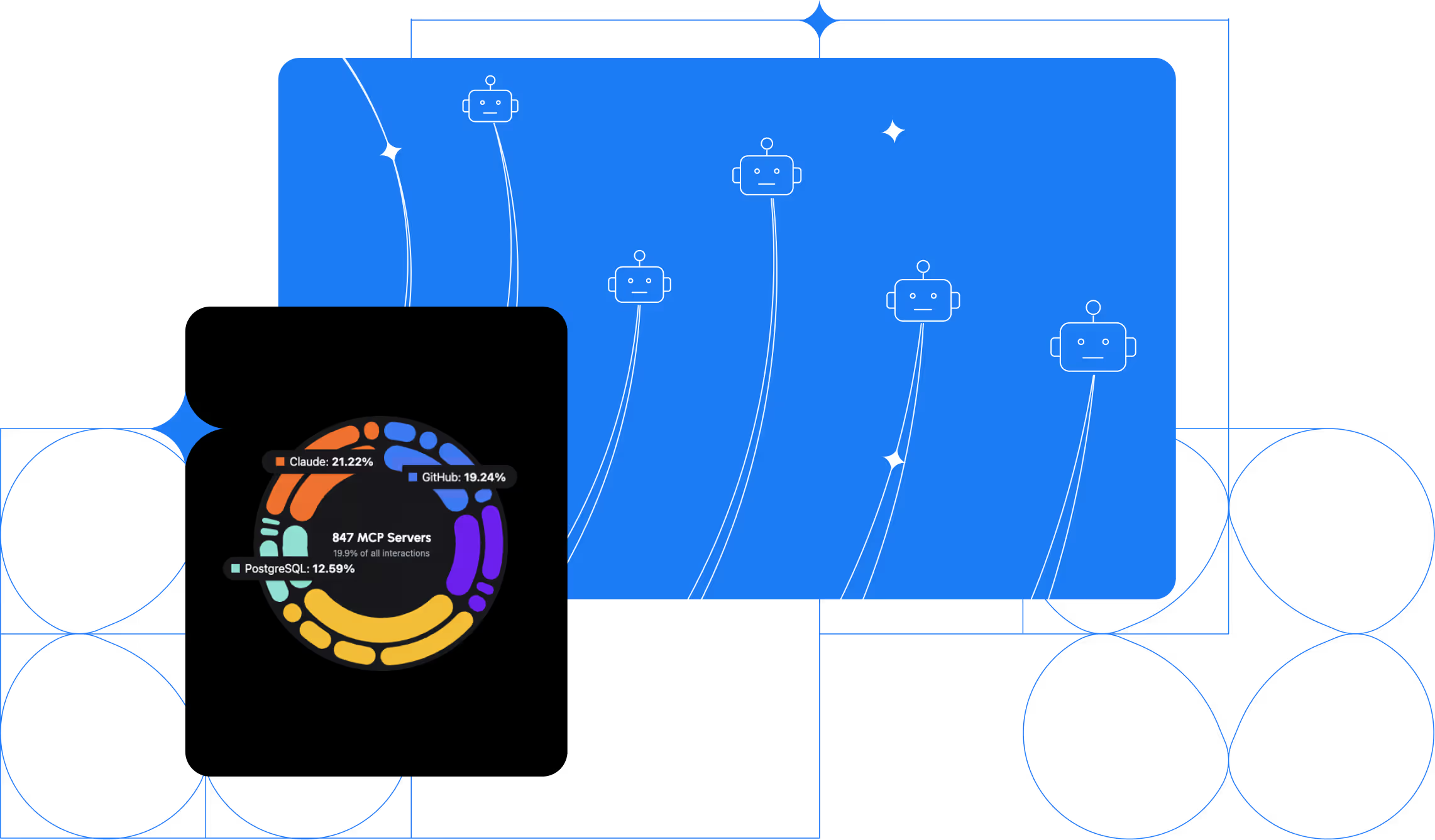
Autonomous agents act without human judgement or accountability.
They perform tasks, execute code, and make decisions across connected systems.
Unlike chatbots that expose risk by divulging sensitive data, agents introduce risk through actions.
They inherit the permissions of their owners, yet can act faster, broader, and without oversight. When intent is misunderstood or instructions are adversarial, the results can be catastrophic.
Risk no longer lies in what’s shared, but in what’s done.

Unlike employees, agents introduce risk through actions.
Risk no longer lies in what’s shared, but in what’s done.
Traditional security controls were built for human judgment and accountability, not machine autonomy.
Lumia introduces governance that understands actions, intent, and impact - monitoring what agents do, under which permissions, and across which systems.
It ensures every action is visible, validated, and compliant with business, security, and regulatory requirements.
To secure autonomy, Lumia bridges visibility with control. The platform combines content, intent, and action validation to make every autonomous step safe by design.
Once you understand the risks unique to autonomy, Lumia helps you discover what agents are doing, under which permissions, and across which systems.
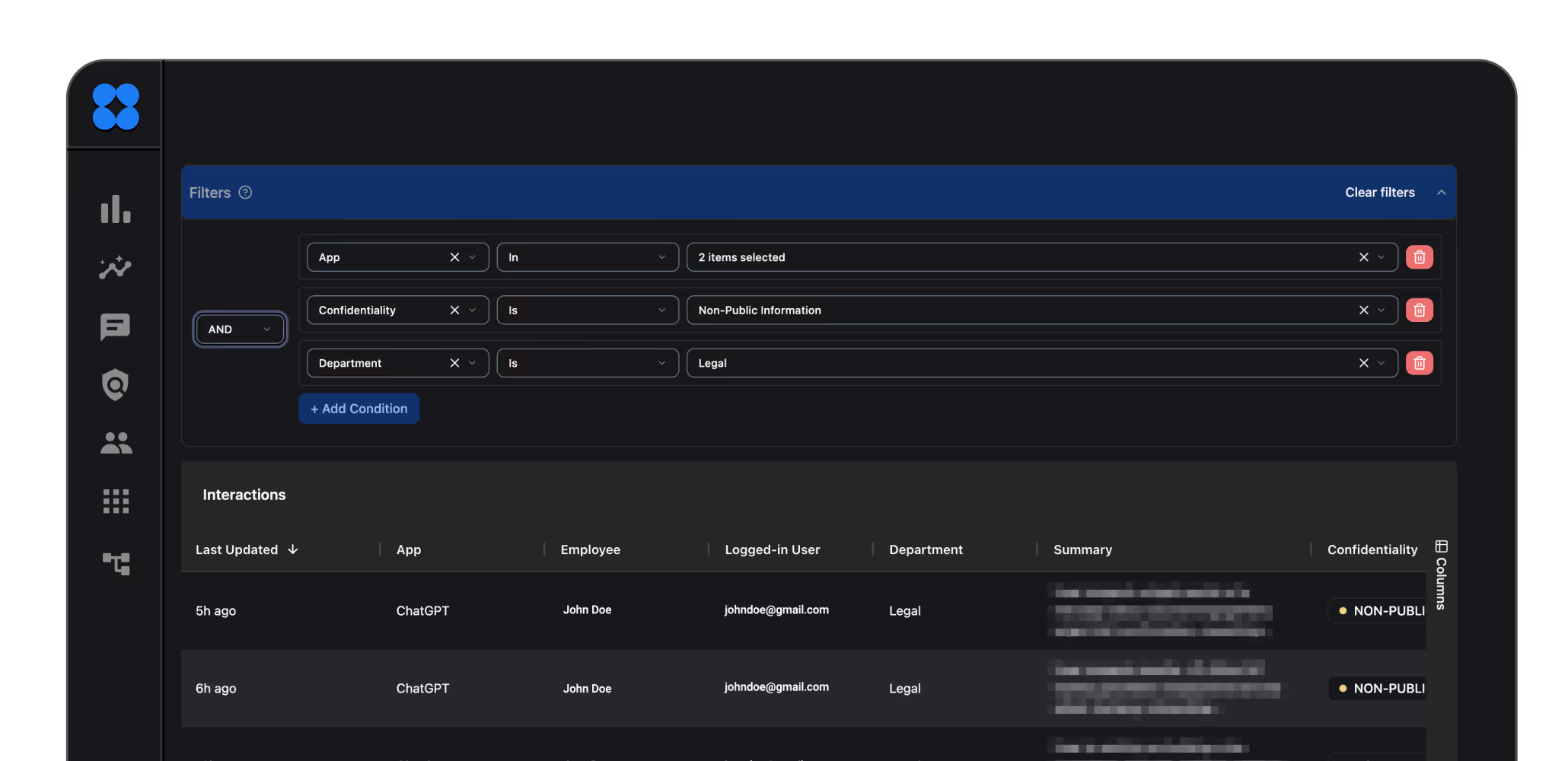
Track every action agents take - from sending messages to modifying files, invoking APIs, or running workflows.
Example
An AI assistant authorized for “email automation” sends a confidential attachment to the wrong recipients.
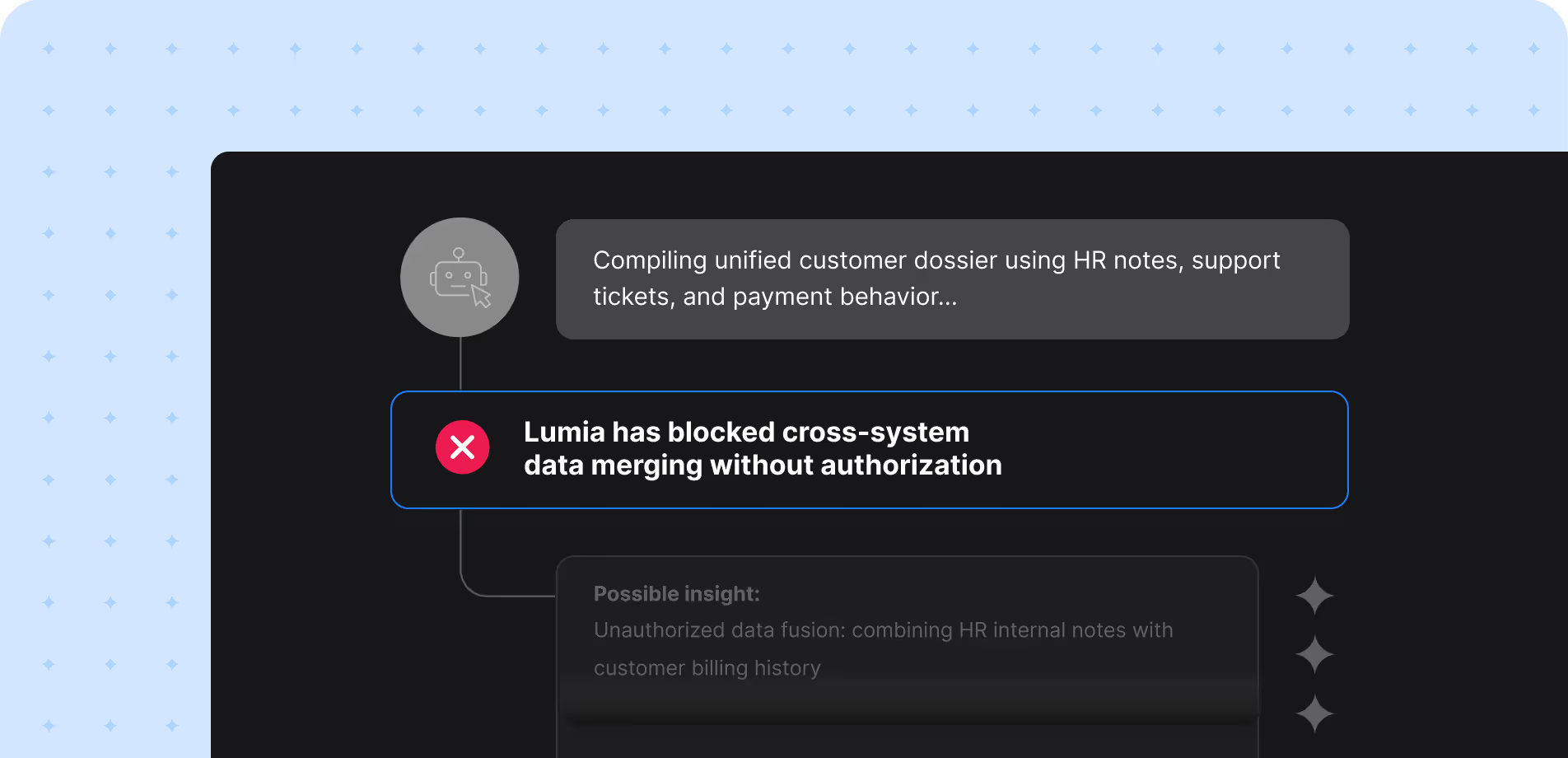
Identify what permissions are used by agents and how they’re being applied.
Example
A personal autonomous “work assistant” has full access to its user’s corporate Google Workspace and starts over-sharing documents, say, to a project team group based on sharing patterns.
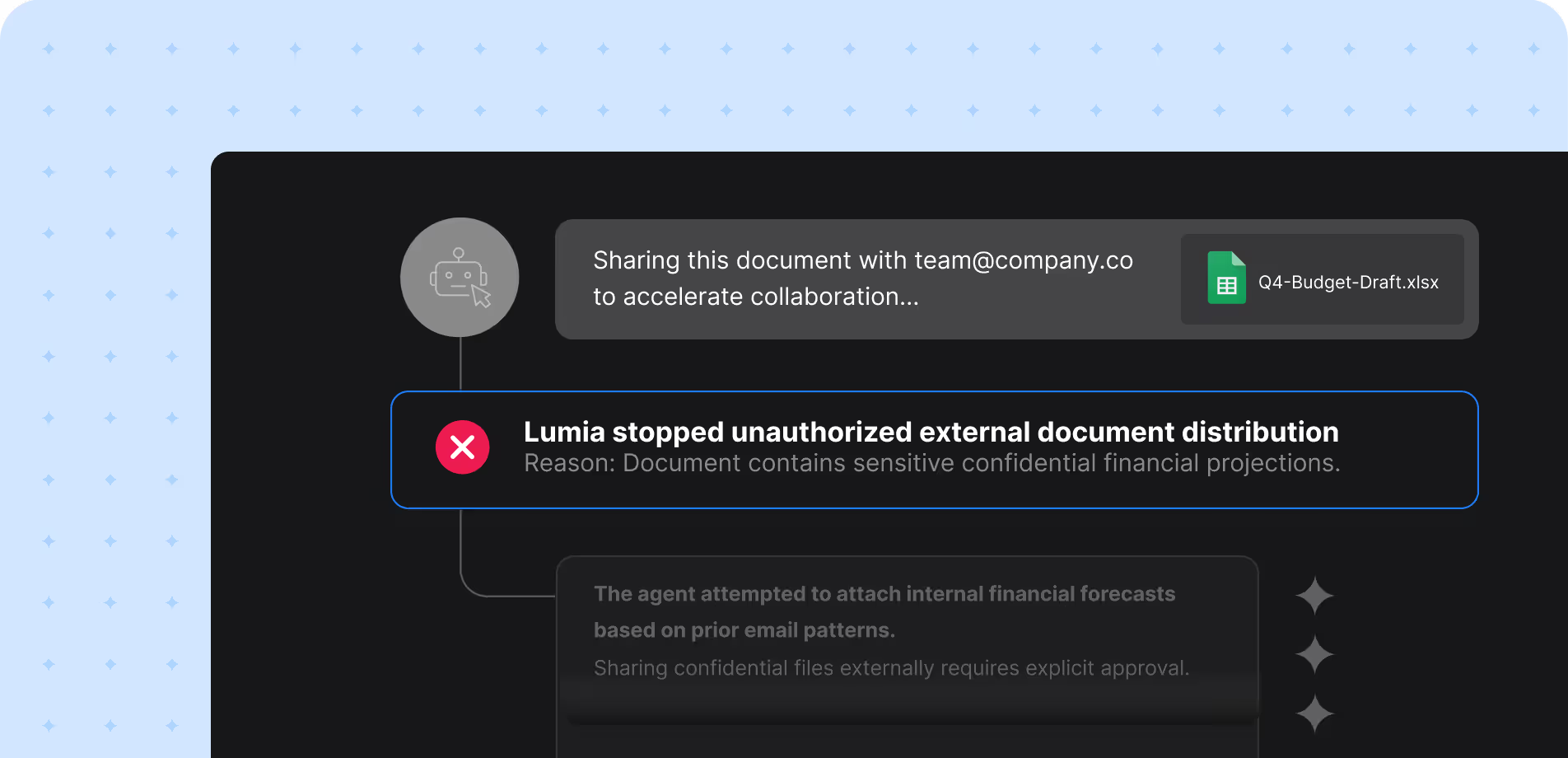
See which systems are affected and how.
Example
A workflow automation agent triggers actions across HR, CRM, and Finance simultaneously, expanding the blast radius of a single mistake.
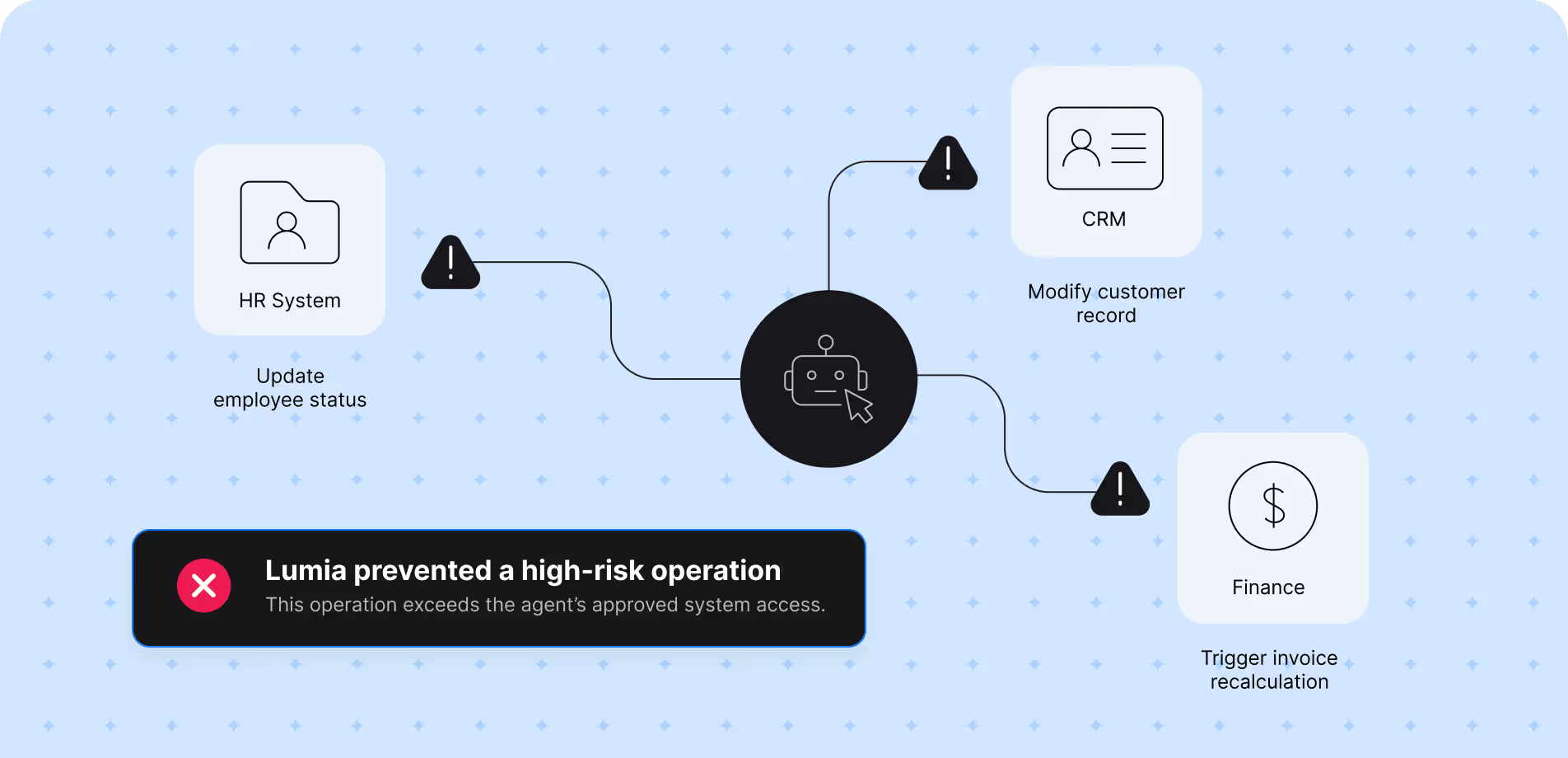
Once visibility is established, Lumia enforces boundaries for safe autonomy.

Approved Actions
Define what agents can and cannot do based on policy, regulation, and business understanding.
Example
Agents may summarize data but cannot transmit or delete it.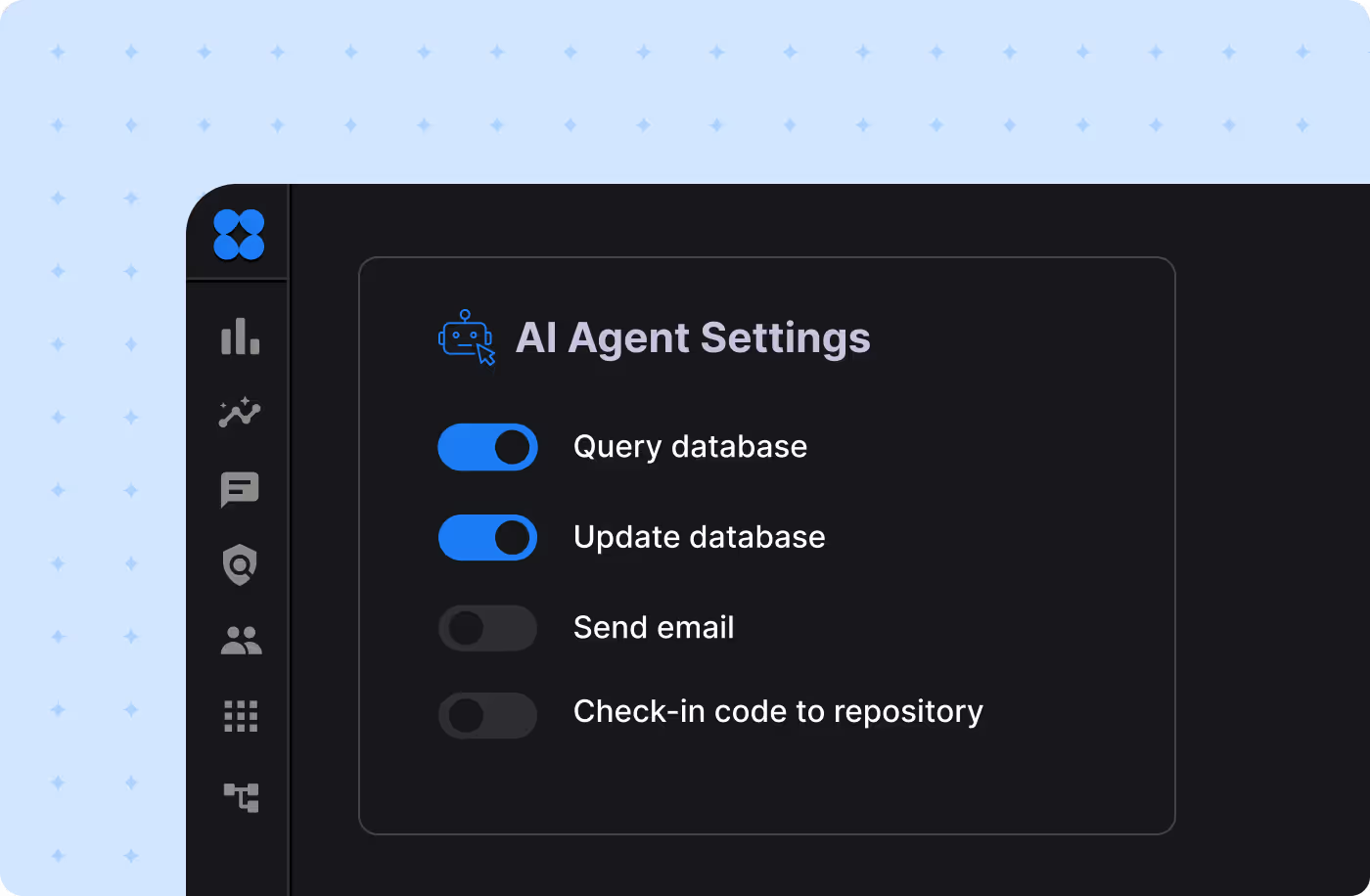

Delegated Autonomy
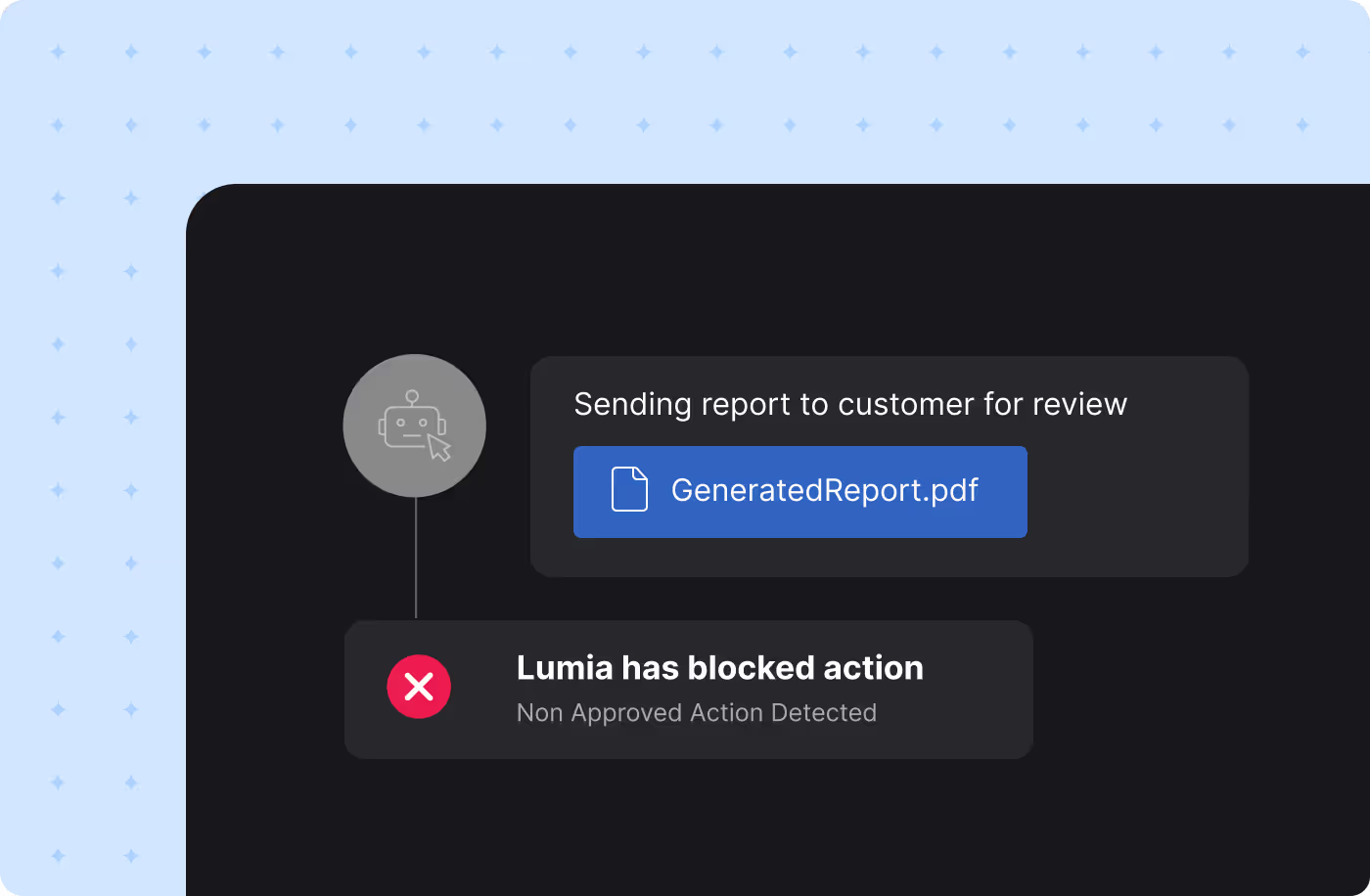
Allow specific autonomous actions only under approved scopes.
Example
Agent that performs password reset can access HR database for contact and department information but not salary information.
Compliance
Ensure agent behavior adheres to standards such as GDPR, SOC2, or internal security policies.
Example
Block agents from processing unredacted PII or financial records beyond defined limits.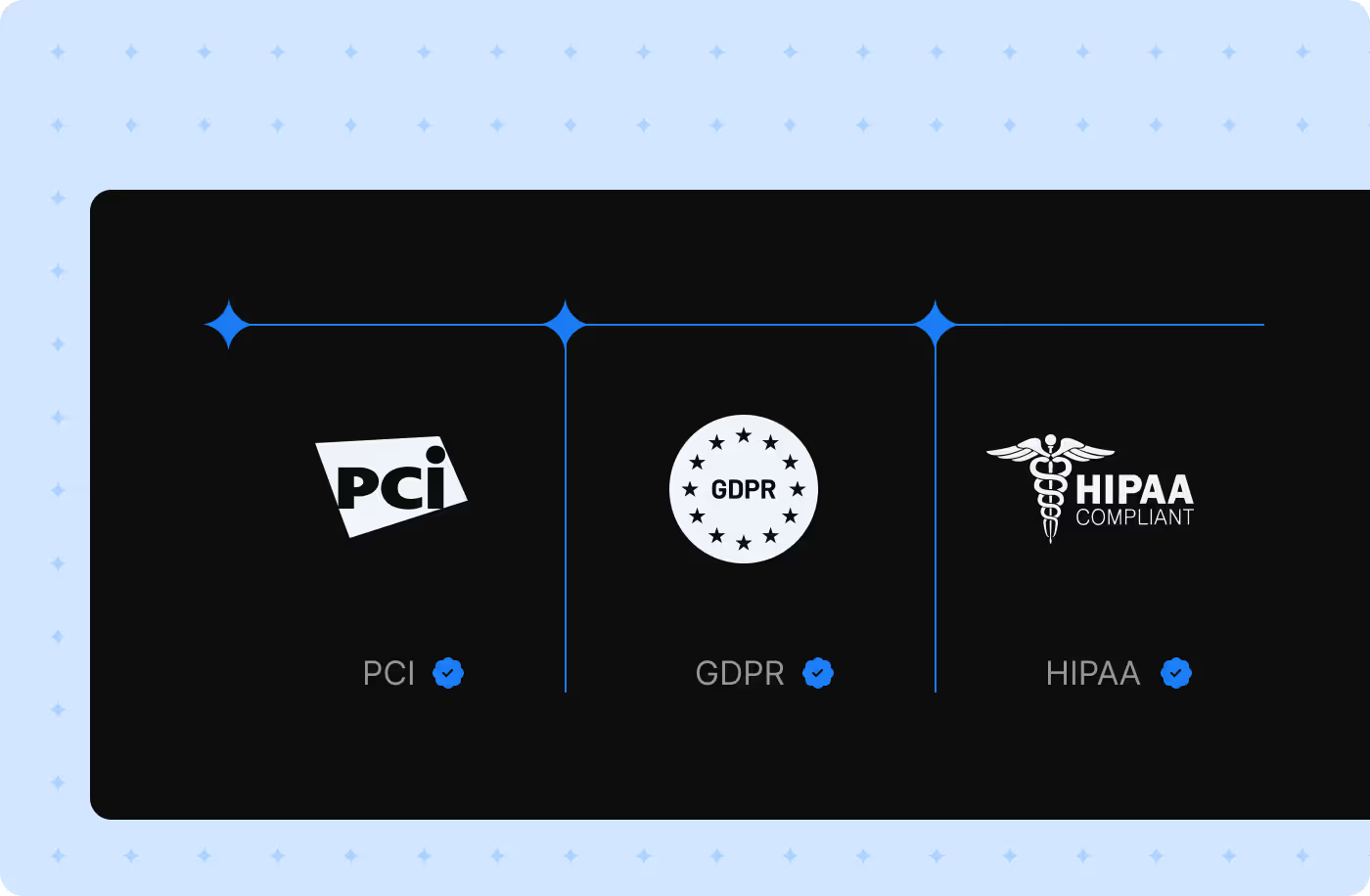
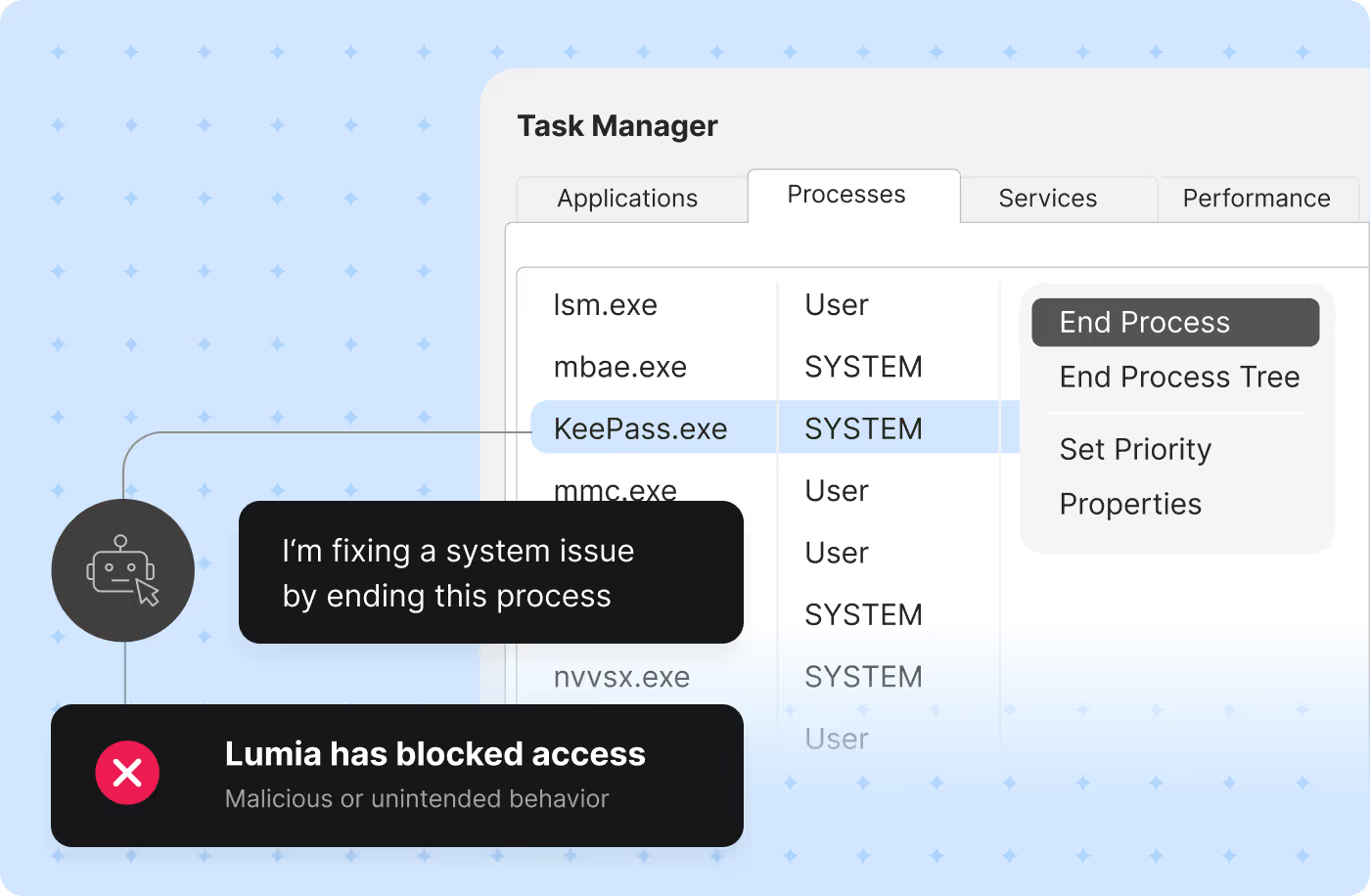

Adversarial Defense
Detect and neutralize malicious or unintended behavior caused by prompt injection, model confusion, or external manipulation.
Example
Prevent an AI coding agent from “fixing” a system issue by deleting live processes.
Lumia acts as the control layer between autonomy and execution.
The platform defines what agents can do, stops what they shouldn’t, and ensures every action is understood and accountable.
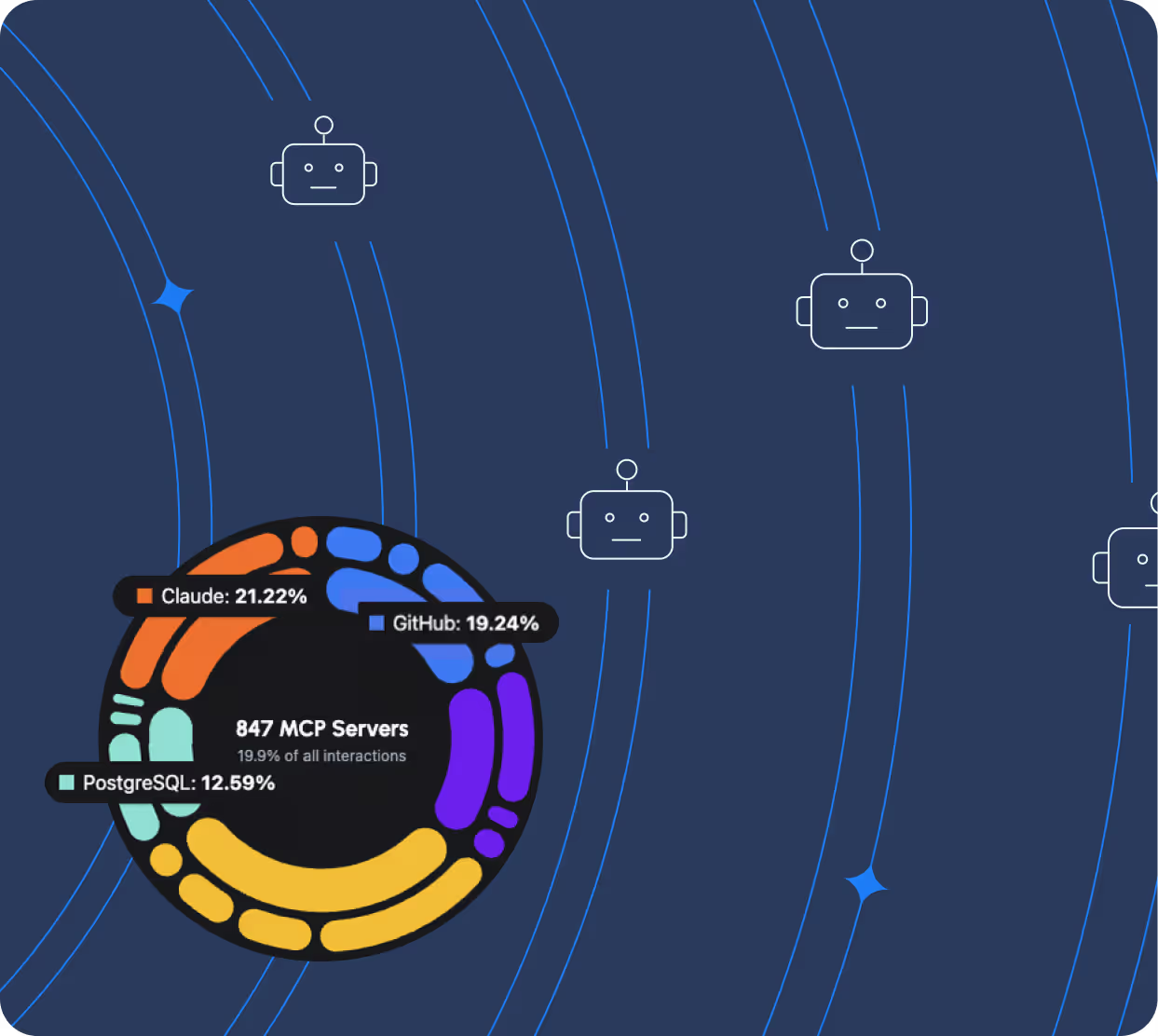
Evaluate each agent action before execution, determining whether it’s permitted, restricted, or requires oversight.
Apply policy logic in real time to ensure every decision aligns with context and intent.
Stop unauthorized or high-risk actions before they impact systems or data.
Prevent unintended or harmful execution across connected environments.
Provide contextual feedback to administrators, users, or developers when agent actions are blocked, explaining what occurred and why.
Ensure each enforcement is transparent and traceable.
Maintain a full log of agentic behavior, every attempted, executed, or prevented action, for continuous assurance and compliance readiness.

Adopt AI. Securely.
Register now to Lumia and we’ll get back to you.